Proverbs 27:17...As Iron Sharpens Iron So Must One Man Sharpen Another
Billboards
Billboards
Billboards

Birds use billboard structures for perching and nesting due to their height and exposed framing. Over time, droppings accumulate on signs and surrounding areas, creating visible mess and maintenance issues. These problems continue as long as birds have access to the structure.
Bridges
Billboards
Billboards
Bridge beams and structural ledges provide protected areas for birds to roost and nest. This leads to heavy droppings buildup on walkways, roadways, and structural components. Without restricting access, bird activity will continue to grow over time.
Canopies
Billboards
Convention Centers
Canopies create sheltered overhead space that birds rely on for nesting and roosting. This often results in droppings directly over entrances, walkways, and customer-facing areas. These problems repeat daily unless access to the structure is blocked.
Convention Centers
Ethanol & Fuel Plants
Convention Centers
Large open structures and overhead steel provide ideal nesting areas for birds inside and around convention facilities. This leads to droppings in high-traffic public spaces and ongoing cleanup challenges. Bird activity will continue as long as these areas remain accessible.
Ethanol & Fuel Plants
Ethanol & Fuel Plants
Ethanol & Fuel Plants
Industrial structures, piping, and overhead framing attract birds looking for elevated and protected nesting areas. Droppings can contaminate equipment, create safety concerns, and increase maintenance demands. These problems persist without structural exclusion.
Food Retailers
Historic Buildings
Food Retailers
Bird activity around food retail locations creates immediate sanitation and contamination concerns. Birds are drawn to entryways, signage, and outdoor areas where food sources are present. This becomes a recurring issue unless access points are addressed.
High Rises
Historic Buildings
Food Retailers
Ledges, window lines, and upper structural elements provide ideal roosting locations for birds. Droppings can accumulate on building surfaces and fall to lower levels, creating both maintenance and liability concerns. These problems repeat as long as birds can access these areas.
Historic Buildings
Historic Buildings
Hospitality--Hotels, Motels, & Inns
Architectural features and ledges on historic structures create natural nesting and roosting zones. Bird activity can lead to staining and damage that impacts both appearance and preservation. Solutions must protect the structure while preventing access.
Hospitality--Hotels, Motels, & Inns
Hospitality--Hotels, Motels, & Inns
Hospitality--Hotels, Motels, & Inns
Birds often gather on entryways, rooftops, and exterior structures where guests are present. Droppings and visible bird activity negatively impact guest experience and property appearance. These issues continue unless nesting areas are eliminated. .
Loading Docks
Hospitality--Hotels, Motels, & Inns
Marine & Boat Houses
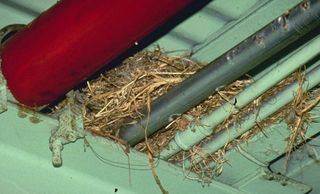
Birds nest above dock doors, beams, and canopy structures where they are protected from activity below. This leads to droppings directly in active work areas and constant cleanup. Without blocking access, birds will return daily.
Marine & Boat Houses
Hospitality--Hotels, Motels, & Inns
Marine & Boat Houses
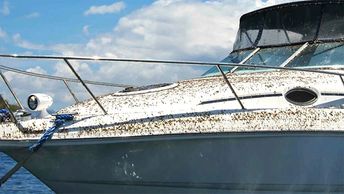
Open framing and overhead structures near water create ideal nesting environments for birds. Droppings accumulate on docks, equipment, and walkways, creating safety and maintenance concerns. Bird activity will continue without restricting access.
Medical Centers
Religious Buildings
Medical Centers
Bird activity around medical facilities creates sanitation and safety concerns in highly sensitive environments. Birds commonly nest on ledges, rooftops, and entry structures. Preventing access is critical to maintaining clean and controlled conditions.
Parking Garages
Religious Buildings
Medical Centers
Open structures and overhead beams provide consistent roosting areas for birds. This leads to droppings on vehicles, walkways, and structural surfaces. These problems persist and spread unless access is removed.
Religious Buildings
Religious Buildings
Religious Buildings
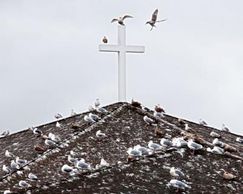
Steeples, ledges, and architectural features provide elevated nesting and roosting areas for birds. Droppings can impact building appearance and surrounding walkways. These issues continue as long as birds have access to these structures.
Restaurants
Rooftops & HVAC
Religious Buildings
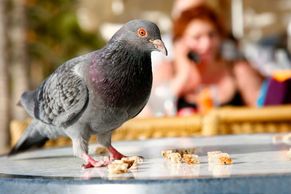
Birds are drawn to restaurants due to food sources and sheltered exterior structures. Nesting near entrances and outdoor seating areas leads to contamination and negative customer experience. This becomes a recurring issue without proper exclusion.
Rooftops & HVAC
Rooftops & HVAC
Rooftops & HVAC

Rooftops provide undisturbed space for birds to nest around equipment and mechanical systems. Droppings, feathers, and debris can enter HVAC systems and spread contamination. These problems continue unless access is prevented.
Signs
Rooftops & HVAC
Rooftops & HVAC
Signage structures create ideal perching and nesting points for birds. Droppings can accumulate on signs and below, impacting visibility and appearance. Bird activity will persist unless these areas are protected..
Solar Panels
Retail Shopping Center & Strip Malls
Sport Stadiums
Birds nest beneath solar panels where they are protected from weather and predators. This leads to debris buildup, reduced system efficiency, and potential damage. These problems continue unless access under the panels is blocked.
Sport Stadiums
Retail Shopping Center & Strip Malls
Sport Stadiums
Large open structures, beams, and seating areas provide extensive roosting opportunities for birds. Droppings can impact seating, walkways, and event areas. Without exclusion, bird activity becomes ongoing and widespread.
Retail Shopping Center & Strip Malls
Retail Shopping Center & Strip Malls
Retail Shopping Center & Strip Malls
Birds commonly nest on canopies, storefronts, and signage in retail environments. This leads to droppings in high-visibility areas and ongoing maintenance issues. These problems repeat unless structural access is eliminated.
Building Ledges
Entryways & Storefronts
Retail Shopping Center & Strip Malls
Ledges and facade lines are one of the most common roosting areas for birds. Droppings build up quickly and spread down building surfaces. Without protection, birds will return to the same ledges repeatedly.
Warehouses
Entryways & Storefronts
Entryways & Storefronts
Birds enter warehouses and roost in rafters and overhead structures. This leads to contamination of products, equipment, and work areas. These problems persist unless access to the interior structure is blocked.
Entryways & Storefronts
Entryways & Storefronts
Entryways & Storefronts
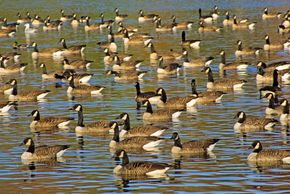
Birds gather above entryways where structures provide shelter and visibility. Droppings accumulate directly in customer-facing areas, creating immediate appearance and safety concerns. This problem continues daily without restricting access.